
For the first time in 30 years, South Africa’s VAT compulsory registration threshold is set to shift to R2.3 million, forcing thousands of SMEs into a high-stakes decision this financial year-end. While the R1.3 million increase offers immediate compliance relief, treating the reform as a simple cost-saving exercise could jeopardise the long-term cash flow and corporate credibility of growing businesses.
This legislative pivot arrives as South African SMEs already grapple with persistent cost pressures, longer payment cycles, and a shifting tax landscape. These factors are intersecting just as founders are expected to finalise accounts, prepare for SARS submissions, and plan for growth.
While welcomed by many small businesses, this shift is exposing a deeper challenge in the SME ecosystem: the cost of running a business without real-time financial clarity.
The Xero South African State of Small Business report data[1] shows that late payments remain one of the biggest risks to business survival, with small firms consistently waiting well beyond agreed terms to collect what they are owed. At the same time, adoption of cloud accounting tools is accelerating among resilient SMEs, particularly those seeking better visibility of cash flow, tax exposure and runway in an uncertain economic climate[2].
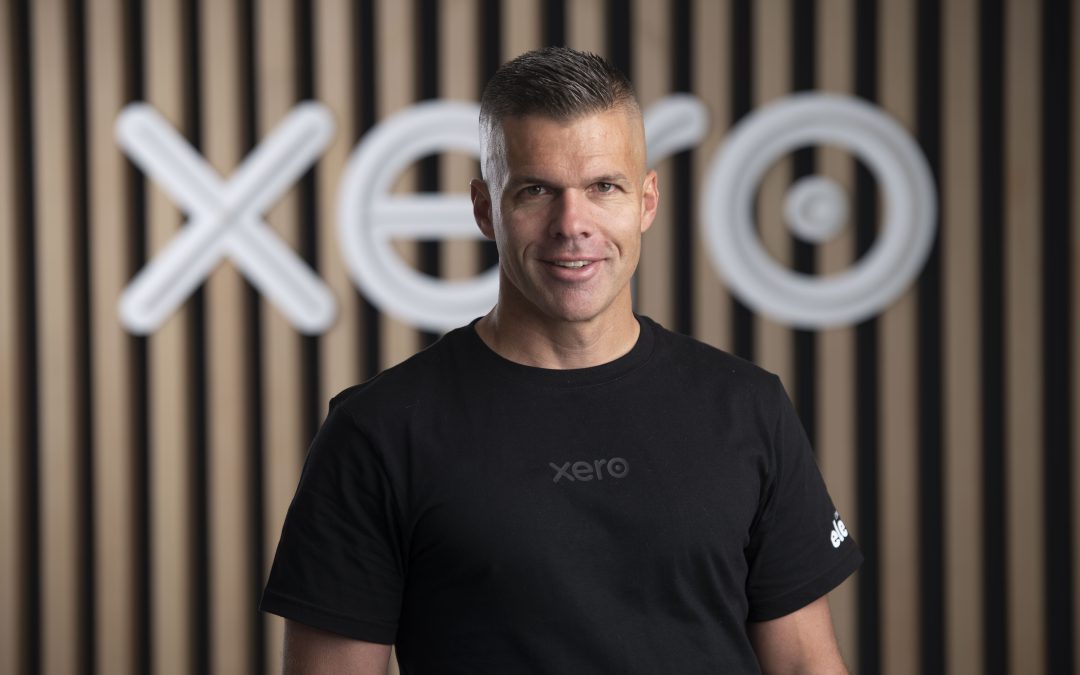
“Year-end is no longer just an accounting exercise, it’s an emotional and strategic moment for founders,” says Colin Timmis, EMEA Regional Director at Xero. “When you don’t know your true burn rate, how much VAT is sitting in your bank account, or whether you can meet payroll three months from now, that uncertainty becomes a hidden tax on entrepreneurs.”
Cash flow: The biggest year-end leak
While inflation, interest rates, and load-curtailed productivity often dominate headlines, practitioners working directly with SMEs point to a more basic, and expensive, failure: not collecting money already earned.
“The biggest cash flow mistake I see at year-end is not collecting accounts receivable in time,” says Mogale TP Maepa, Founder and Managing Director of Moepathutsi Consulting. “Most SMEs are reactive because they rely on manual processes. There are no automated reminders, no up-to-date debtor ageing, and no easy way for customersto pay quickly. By the time year-end arrives, cash that should be funding growth is still locked up in outstanding invoices.”
Xero data[3] supports this ground-level reality. In 2025, SMEs using online invoices with embedded payment links and automated reminders consistently collected faster than those relying on emailed PDFs and manual follow-ups. For B2C businesses managing high volumes of smaller invoices, these tools are no longer nice to have.
“Every extra step you put between your customer and payment increases the chance of distraction,” Maepa adds. “A payment link allows someone to settle an invoice immediately, before life gets in the way. That single click can materially improve collections.”
The VAT threshold shift: strategy, not shortcuts
From April 2026, SMEs will only be required to register for VAT once turnover exceeds R2.3 million[4]. While this presents an immediate planning opportunity, short-term decisions driven purely by price competitiveness or compliance fatigue could pose risks.
“VAT is not just a tax issue, it’s a commercial signal,” says Maepa. “B2C SMEs below the threshold may benefit from deregistering, gaining an instant 15% pricing advantage and reducing compliance costs. But businesses servicing VAT-registered corporates should think very carefully before stepping away.”
Maepa warns that one of the most common mistakes is taking a short-term view on VAT registration. “If you’re on a growth trajectory and likely to cross the R2.3 million threshold again within months, deregistering only to re-register creates administrative friction and unnecessary disruption. VAT strategy needs to align with where the business is heading, not just where it is today.”
From compliance to confidence
Beyond VAT, SARS scrutiny at year-end is intensifying, particularly where VAT, PAYE and fixed assets are concerned. Being “audit-ready” is no longer about scrambling for documents when a query arrives.
“Today, audit-ready means every transaction is digitally supported and reconciled in real time,” says Maepa. “Invoices, receipts and bank transactions should be linked automatically, with reconciliations for VAT, payroll tax and fixed assets always up to date. Automation tools remove human error and significantly reduce audit risk.”
For founders juggling operational pressure with personal financial risk, this level of readiness delivers more than compliance peace of mind. “Real-time data changes the conversation,” says Timmis. “When SMEs can see their cash position, tax obligations and runway clearly, they move from anxiety-driven decisions to confident planning. In 2026, digitisation isn’t about software, it’s about giving business owners back a sense of control.
As financial year-end approaches and the VAT landscape evolves, one message is clear: South African SMEs that treat compliance as a strategic asset rather than a grudge obligation are far better positioned to protect cash flow, withstand pressure, and enter the new financial year on solid footing.