
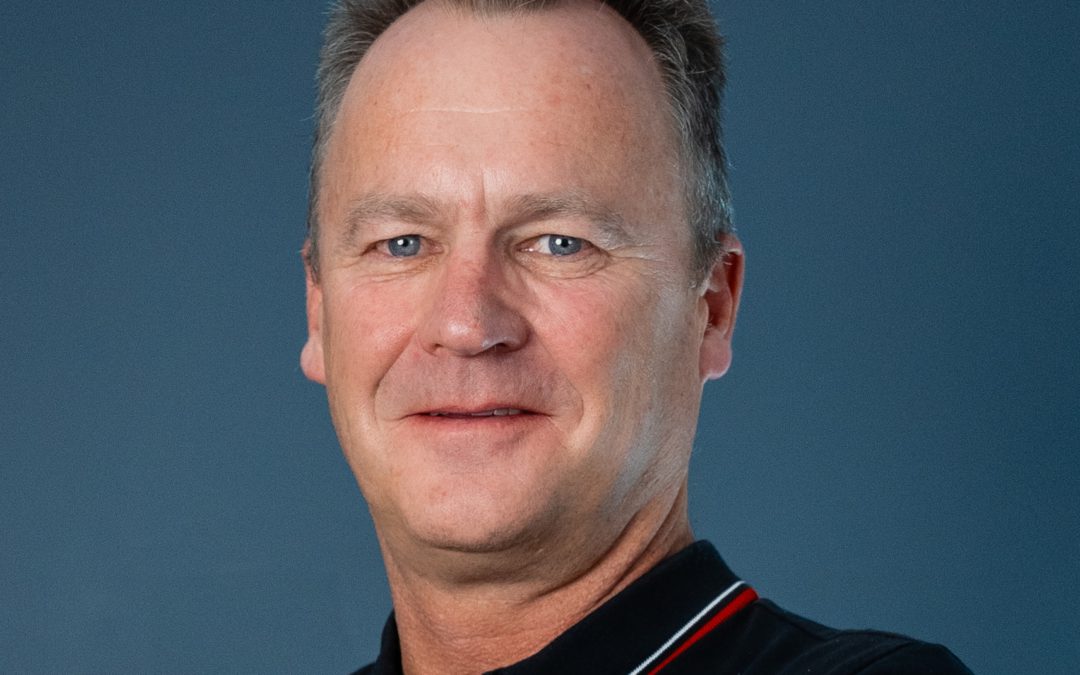
By Chris Dodd, iStore SA, CEO
Ask almost any South African entrepreneur about the early days of their business and amongst the “war stories” you’ll also hear accounts of remarkable ingenuity.
The dining room table becomes a boardroom. The garage, a prototype workshop. The humble oven, an industrial bakery. A spare bedroom transforms into a warehouse. Friends become business partners, marketers and distributors. Old laptops, borrowed software and unreliable internet connections somehow carry the business through those first uncertain months.
South African entrepreneurs have become exceptionally good at making a plan.
The problem is that too many businesses never stop winging it and hoping for the best, and -unfortunately- beginner’s luck has an expiry date.
The very mindset that helps a startup survive its first year can quietly become the thing that prevents it from growing into a sustainable business. Entrepreneurs continue patching together ageing technology, replacing devices only when they fail and choosing equipment based almost entirely on the lowest upfront price.
At first glance, this feels like good financial discipline.
In reality, it can become one of the most expensive decisions a growing business makes simply because it’s not easy to thrive when you never get further than the goal to survive.
Most business owners understand the cost of paying salaries, acquiring customers or renting office space. Fewer calculate the cost of an employee losing hours of productivity because their laptop struggles to keep up with demanding workloads, or the impact of a device failing during an important client presentation, project deadline or funding pitch.
On the surface they appear to be mere technology glitches, but the consequences eventually have serious business costs when teething problems become chronic issues.
As South Africa’s startup ecosystem matures and grows, entrepreneurs need to start thinking differently about how they invest in the tools that power their businesses. Technology should no longer be viewed as a once-off capital purchase that needs replacing every few years. It should be viewed as an operational investment that enables people to do their best work, every day.
That shift in thinking, from capital expenditure to operational expenditure, or OpEx, is about looking beyond the purchase price and considering the total cost of ownership over the life of a device.
The cheapest device on day one is not always the most affordable over four or five years. Usually the opposite.
When businesses evaluate technology through the lens of total ownership costs, the conversation changes. Reliability, longevity, software support, security and performance become just as important as the initial price tag because they directly influence productivity, downtime and replacement cycles.
For a startup with a small team, these factors matter enormously. Downtime is money.
Every hour spent troubleshooting technology is an hour not spent serving customers, developing products or winning new business. Every unexpected replacement creates pressure on already constrained cash flow. Every security issue carries risks that young businesses can least afford. The right technology quietly removes this friction.
It gives founders confidence that their business can continue operating wherever work happens, whether that’s a coffee shop, a client office, a shared workspace or an airport departure lounge. It enables teams to collaborate more effectively, manage increasingly demanding workloads and focus on growth rather than maintenance.
This is one of the reasons many growing businesses are increasingly choosing platforms that are designed for long-term performance rather than short-term affordability.
Mac has earned a reputation among entrepreneurs, developers, consultants and creative professionals because it combines powerful performance with durability, robust security and long software support lifecycles. Over time, this often translates into fewer interruptions, longer replacement cycles and lower total ownership costs than many business owners initially expect.
Equally important is the support ecosystem that surrounds the technology. Some of the world’s most successful businesses, from Henry Ford’s production lines to Jeff Bezos’s customer-first philosophy, have grown by relentlessly removing complexity. Technology should do the same, simplifying work rather than adding another layer of administration, maintenance and troubleshooting.
For many startups, employing dedicated IT staff simply isn’t realistic. They need guidance before making a purchase and reliable support afterwards. The need access to expert advice, technical assistance and extended warranty options which significantly reduce operational risk while allowing entrepreneurs to focus on growing their businesses rather than managing their technology.
South Africa doesn’t lack entrepreneurial ambition it needs consistent support.
What many founders lack is the freedom to think beyond surviving the next quarter. Scaling requires a different mindset, one that sees technology not as an unavoidable expense but as infrastructure that enables future growth.
The businesses that thrive over the next decade are unlikely to be those that spent the least on technology. They will be the ones that invested wisely in tools that helped their people work more productively, adapt more quickly and grow with confidence.
For entrepreneurs determined to build businesses that last, that may be one of the most important investments they ever make.
