
By Henri van Eetveldt, Head of Business Development at EXSA
South African commercial and industrial businesses are rethinking how they manage their energy costs. Instead of relying on solar panels alone, more companies are combining on-site solar PV, battery storage under a capable control system, and wheeled renewable energy from wind and solar farms. Wheeling lets a business buy energy generated elsewhere and have it credited to its facility through the existing grid.
The goal is simple: lower the cost of every kilowatt-hour the facility consumes, with the added assurance that operations keep running when the grid fails. For years, the main concern for engineers and plant managers was keeping the lights on during load shedding or grid faults. That conversation has moved on. Now the bigger question is how to combine on-site solar with external renewable energy to get meaningful cost savings, not just backup power.
Rooftops run out of space before demand runs out
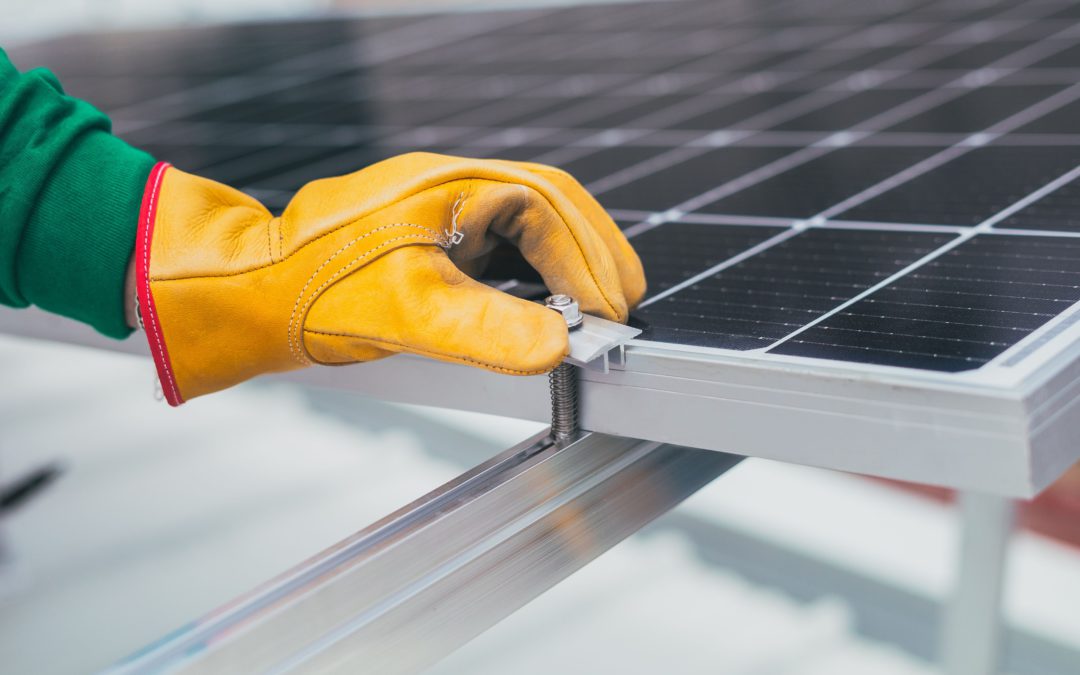
Most facilities that install solar panels quickly hit a ceiling. Even a factory or warehouse that covers its entire roof and all its available land with panels usually can’t generate enough energy to meet its total annual electricity consumption. Solar might cover demand around midday, but across a full year, on-site solar rarely offsets more than about 30% of a facility’s total electricity use, depending on the load profile.
This is where wheeling comes in. Wheeling allows a business to buy renewable electricity from a wind or solar farm elsewhere in the country. It is a contractual and metering arrangement: the generator feeds energy into the grid, and that energy is credited against the facility’s consumption, net of wheeling charges. It largely removes the rooftop constraint, although wheeling is currently most straightforward on the Eskom network and in a growing number of wheeling-ready municipalities.
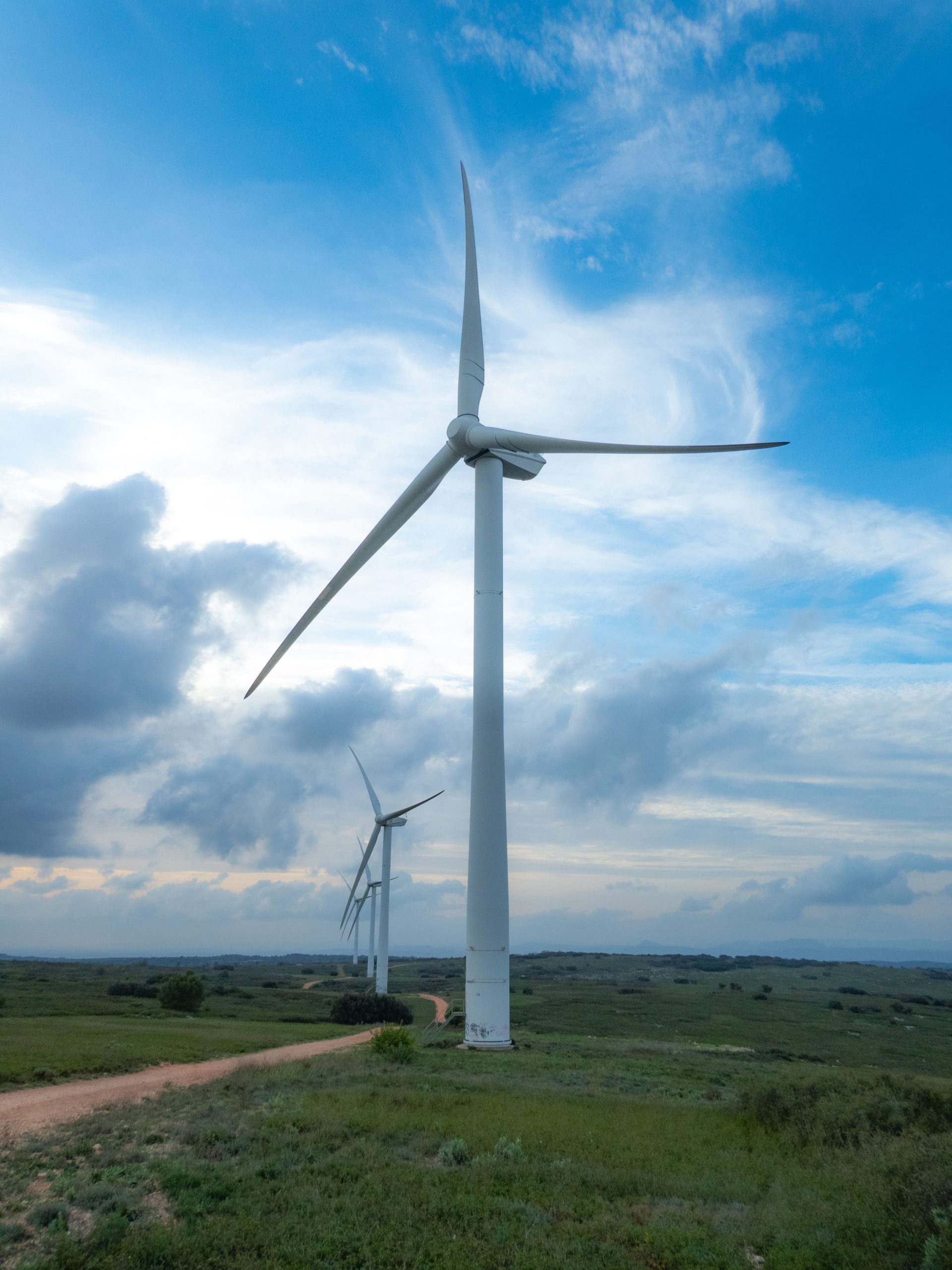
Wind is a particularly useful partner for solar in this setup. Wind farms often generate at night and during other times when solar isn’t producing, which fills the gaps in a facility’s renewable supply. Wind is not optional in this picture: it is what carries a facility’s renewable offset past the solar ceiling. As a general example, a mix of roughly one-third solar and two-thirds wind typically gives a more stable renewable supply across the year than solar-heavy combinations, and can lift renewable electricity use from around 30% to as much as 80%.
Batteries keep everything running smoothly
Battery storage is what ties this all together. When on-site solar and grid supply, including wheeled energy, both feed a facility, the Battery Energy Storage System (BESS) control system manages the interaction between them. It does more than switch between sources: it optimises behind-the-meter solar consumption and shifts energy use across time-of-use tariff periods, which compounds the savings that wheeling already delivers.
The BESS needs to be sized correctly for the job: the inverter should be rated to carry the facility’s full electrical load the instant the grid drops out, and the battery should hold enough energy to supply roughly two hours of the facility’s load during peak tariff periods. During the load-shedding years, sizing a battery for essential loads only was common in homes and small commercial sites, but large operations needed full business continuity and never really had that option. Today, with the grid more stable, most large commercial and industrial battery systems in South Africa are justified primarily on time-of-use arbitrage, with backup as the built-in insurance. A battery is a significant capital investment with a finite cycle life, which is exactly why the business case has to be built on daily tariff savings rather than on the occasional outage.
Wheeled energy can also make charging the battery cheaper, but this depends heavily on how the wheeling power purchase agreement (PPA) is priced. Where the PPA is structured at a discount to the Eskom wholesale tariff across all tariff periods, every kilowatt-hour used to charge the BESS costs less than it otherwise would, which improves the economics of time-of-use arbitrage even further. A flat-rate PPA, by contrast, can end up more expensive than the wholesale tariff during off-peak periods, which is exactly when a battery is typically charged. The pricing structure of the wheeling agreement is therefore not a side issue: it determines whether wheeled energy strengthens or weakens the battery business case.
The bigger picture
Solar was never going to solve the problem on its own, and the problem is no longer just keeping the lights on. It is the cost of every kilowatt-hour a facility consumes. For South African businesses serious about cutting that cost, the real opportunity lies in combining what they can generate on site with what they can bring in from elsewhere, and using a well-controlled battery system to make it all work together.
