
Sedna Africa is helping redefine industrial safety across the continent through the deployment of advanced digital connectivity solutions that enable predictive, real-time risk management across high-risk environments such as mining, ports, logistics and heavy industry.
As African industries continue to modernise, safety is increasingly being driven by data, connectivity and intelligent systems rather than traditional, reactive measures. The shift marks a significant move away from manual inspections and post-incident responses toward predictive safety models powered by real-time monitoring and analytics.
Mining, long regarded as one of the continent’s most hazardous sectors, has led this transformation. Through the use of connected sensors, digital monitoring platforms and predictive analytics, mining operators are now able to detect unstable ground conditions, equipment failures and unsafe exposure levels before incidents occur. This has resulted in measurable improvements in safety performance and extended periods of zero-harm operations.
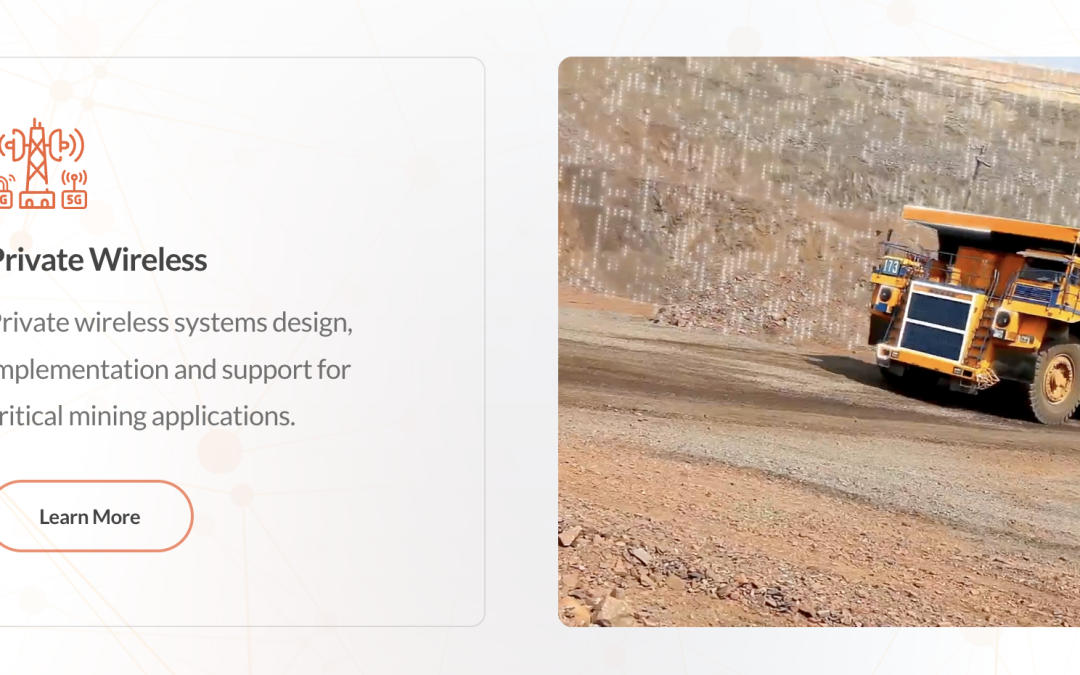
A key enabler of this evolution is reliable, high-performance connectivity. Many industrial sites across Africa have historically operated with limited or fragmented network coverage, restricting the effectiveness of digital safety systems. Private mobile networks are now addressing this challenge by delivering secure, resilient and low-latency connectivity in demanding industrial environments.
Sedna Africa is playing a central role in this shift through the deployment of mission-critical connectivity solutions tailored for industrial use. The company’s recent implementation of a Nokia private mobile network at the Port of Beira in Mozambique marks a major milestone in the digital transformation of one of Southern Africa’s most important logistics hubs.
Ports present complex safety challenges due to heavy machinery, high traffic volumes and constant movement of people and cargo. Through the deployment of private wireless networks, port operators are now able to monitor operations in real time, improve situational awareness, reduce human exposure to risk and respond faster to potential incidents.
This approach is further supported by the launch of Africa’s first fully operational industrial Network Operations Centre (NOC) at Sedna Africa’s headquarters in Johannesburg. The NOC enables centralised monitoring, management and security of critical infrastructure across multiple sites and regions, providing continuous visibility and rapid response capabilities.
Technologies originally developed for underground mining — including industrial IoT, distributed fibre sensing, advanced visualisation platforms and predictive analytics — are now being applied across ports, energy facilities, rail networks and manufacturing environments. This cross-sector adoption is accelerating Africa’s transition toward Industry 4.0 and enabling safer, more efficient operations.
Worker safety remains a central focus of this transformation. Connected worker solutions, such as smart wearables and location-aware devices, are improving emergency response, reducing lone-worker risk and enabling real-time intervention when unsafe conditions are detected. Safety teams are increasingly relying on live dashboards and automated alerts rather than manual reporting.
As Africa continues to invest in infrastructure and industrial development, digital safety is emerging as a critical foundation for growth, operational resilience and investor confidence. By embedding intelligence and connectivity into industrial environments, organisations are able to improve productivity while significantly reducing risk.
Through its work in delivering secure connectivity, private mobile networks and advanced monitoring capabilities, Sedna Africa is helping to shape a safer, smarter future for the continent’s critical industries.
